

Best Coffee Beans for French Press: An Ultimate 2026 Guide
Table of Contents
- Quick Comparison: Best Coffee Beans for French Press
- 1. Peet's Coffee French Roast: Bold and Smoky
- 2. Kicking Horse Coffee Smart Ass: Organic and Balanced
- 3. Death Wish Coffee Whole Bean: World's Strongest Coffee
- Mastering the Coarse Grind Coffee for French Press
- Optimizing French Press Coffee Ratio and Water Chemistry
- How to Brew French Press Coffee for Maximum Flavor
- Considering Decaf, Low-Acid, and Ethical Options for French Press
Last Updated: August 22, 2026
Quick Comparison: Best Coffee Beans for French Press
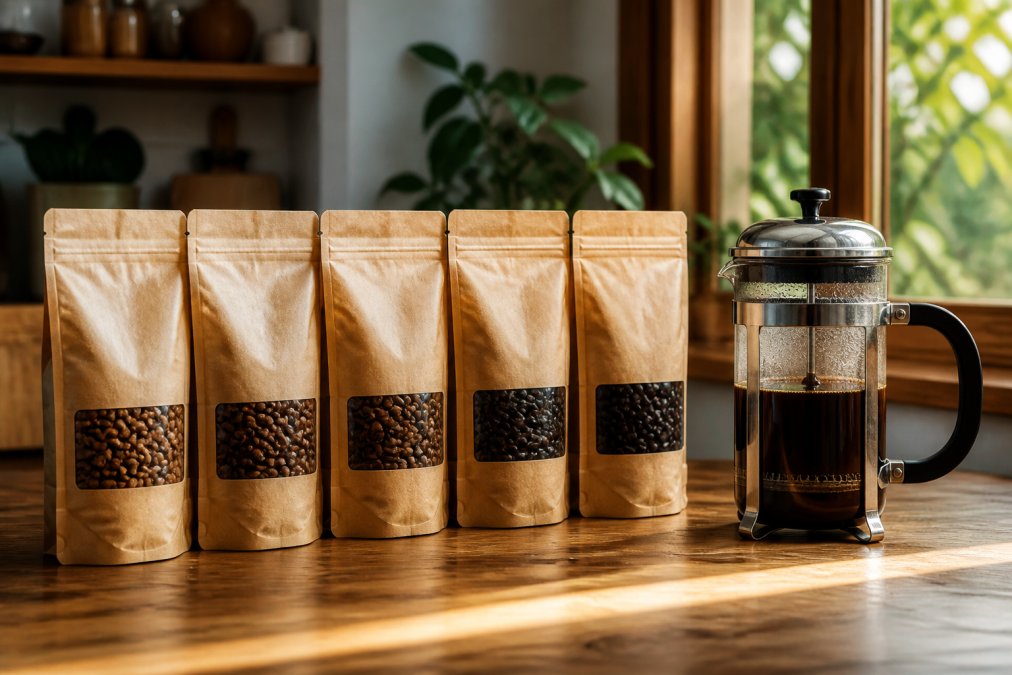
Choosing the best coffee beans for French press comes down to three things: roast profile, grind compatibility, and freshness. The French press rewards bold, coarse-ground beans more than any other brewing method. Full-immersion brewing extracts oils and compounds that paper filters strip away, making bean selection critical.
Below, we compare three standout options across roast intensity, flavor profile, and ethical sourcing, then break down the brewing science that separates a great French press from a mediocre one.
Quick Picks:
- Best Bold Dark Roast: Peet's Coffee French Roast, smoky, sweet, and built for full-immersion brewing
- Best Organic Medium Roast: Kicking Horse Coffee Smart Ass, balanced, Fairtrade, and complex
- Best High-Caffeine Option: Death Wish Coffee Whole Bean, intense, low-acid, and USDA Certified Organic
| Coffee | Roast Level | Flavor Notes | Best For | Certification |
|---|---|---|---|---|
| Peet's Coffee French Roast | Dark | Smoky, sweet, bold | Dark roast lovers | High-altitude Arabica |
| Kicking Horse Smart Ass | Medium | Chocolate, stone fruit, vanilla | Balanced cup seekers | Organic, Fairtrade |
| Death Wish Coffee | Dark | Cherry, chocolate | Caffeine-focused drinkers | Organic, Fair Trade |
| Stone Street French Roast | Dark | Smooth, rich, clean | Clean finish preference | Brazilian Mogiana |
| Lifeboost Medium Roast | Medium | Rich, creamy | Sensitive stomachs | USDA Organic, low-acid |
The best coffee beans for French press hold up to coarse grinding, extended steep times, and full-immersion extraction without turning bitter or flat.
1. Peet's Coffee French Roast: Bold and Smoky
Peet's French Roast is the benchmark for dark roast French press brewing. Peet's sources high-altitude Latin American Arabica beans, producing the dense, oily bean structure that full-immersion brewing needs. The result is a cup with smoky overtones, pleasant bite, and surprising sweetness that balances the intensity.
What sets Peet's apart is that sweetness doesn't disappear under the roast. The mouthfeel is heavy and satisfying, with a long aftertaste that doesn't tip into ash or char. The drawback: this is Peet's darkest roast. If you're sensitive to bitterness or prefer lighter, fruitier notes, this isn't the right choice. Darker roasts can over-extract quickly if steep time runs long, so precision matters.
Pros:
- Rich, intense flavor with genuine sweetness
- High-altitude Latin American Arabica beans
- Available in whole bean for optimal freshness
Cons:
- Too intense for light roast preferences
- Requires careful steep timing to avoid over-extraction
Best for: Coffee drinkers who want a bold, full-bodied cup with smoky character.
2. Kicking Horse Coffee Smart Ass: Organic and Balanced
For drinkers who find dark roasts oppressive but want more than a timid cup, Kicking Horse Smart Ass lands exactly right. This medium roast is 100% Organic and Fairtrade certified, roasted in the Canadian Rocky Mountains. The flavor profile is complex: sweet syrup, vanilla bean, stone fruit, tart red currant, and milk chocolate.
The medium roast level preserves acidity and fruit notes that a dark roast would destroy, while producing enough body to feel substantial through a metal mesh filter. The oil retention is excellent, giving the cup a silky texture that highlights chocolate and vanilla notes. The tart red currant note keeps the cup from feeling cloying, a common problem with medium roasts.
The potential downside: the flavor combination is distinctive enough that it won't appeal to everyone. Availability can also vary by region.
Pros:
- Genuinely complex flavor: fruity, chocolatey, and sweet in balance
- Ethically sourced with Organic and Fairtrade certification
- Versatile across multiple brewing methods
Cons:
- Distinctive flavor profile that won't suit every palate
- Regional availability can be inconsistent
Best for: Drinkers who prioritize ethical sourcing and want a balanced medium roast with genuine complexity.
3. Death Wish Coffee Whole Bean: World's Strongest Coffee
Death Wish Coffee is USDA Certified Organic and Fair Trade. High-caffeine coffees often use low-quality Robusta beans that taste harsh, but Death Wish combines serious caffeine content with a smooth, low-acid flavor profile built around cherry and chocolate notes.
The low-acid character is a genuine differentiator for French press brewing. Full-immersion methods amplify acidity, so a naturally low-acid bean produces a cleaner, less aggressive cup even with a long steep. The cherry and chocolate notes hold up well through coarse grinding and extended extraction. The aftertaste is clean, which is rare for high-intensity dark roasts.
The honest caveats: this is not for the caffeine-sensitive, and the price point reflects the organic and Fair Trade certifications.
Pros:
- Exceptional caffeine content with smooth, low-acid taste
- Organic and Fair Trade certified
- Cherry and chocolate notes add genuine flavor depth
Cons:
- Not suitable for those sensitive to caffeine
- Higher price point than non-certified alternatives
Best for: Coffee enthusiasts who need maximum energy without sacrificing flavor or ethical sourcing.
Mastering the Coarse Grind Coffee for French Press
Coarse grind coffee for French press is non-negotiable. The metal mesh filter cannot trap fine particles the way a paper filter does, so anything ground too fine ends up in your cup as sludge. A proper coarse grind should resemble rough sea salt: chunky, irregular-looking, but consistent in particle size.
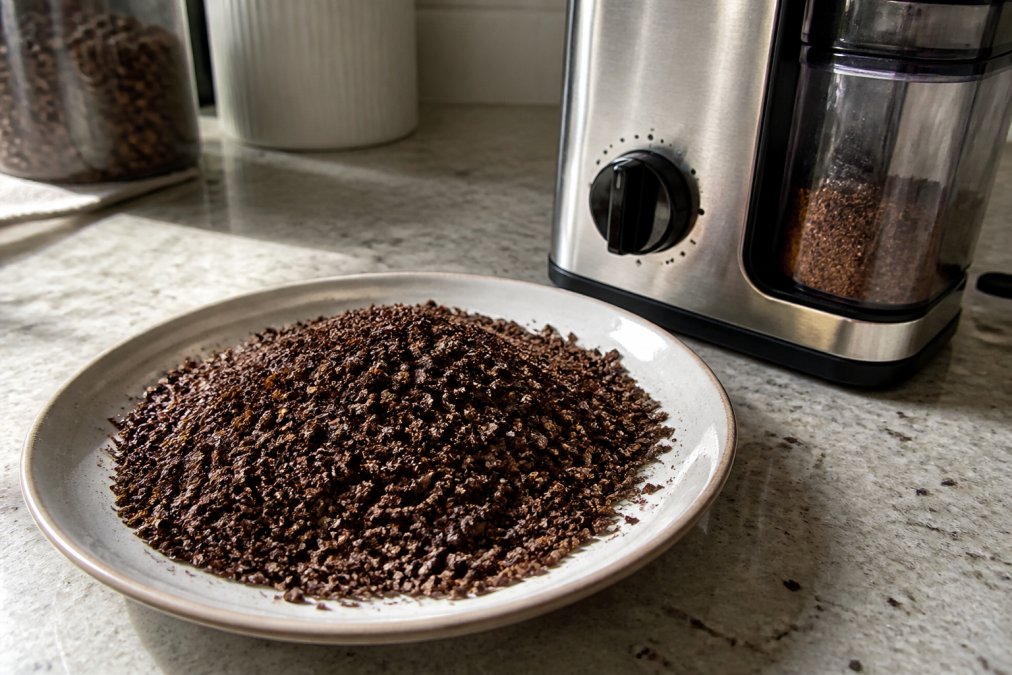
Coarse grounds have less surface area exposed to water, which slows extraction. French press compensates by using full-immersion contact over a longer steep time (typically four minutes). Grind too fine and you over-extract, producing bitterness and excessive sediment. Grind too coarse and you under-extract, leaving a weak, watery cup.
As documented in the Specialty Coffee Association's brewing standards, grind consistency is one of the most significant variables in extraction quality. A blade grinder produces wildly inconsistent particle sizes. A burr grinder produces uniform particles that extract evenly.
Grind Consistency and Sediment Management
Grind consistency directly determines sediment levels in your cup. Excessive sludge affects mouthfeel and can make the last third of your cup unpleasant.
A few techniques reduce sediment without sacrificing body:
- Let the brew settle. After pressing, wait 30-60 seconds before pouring. Fine particles sink to the bottom.
- Pour carefully. Tilt the French press slowly rather than upending it.
- Don't over-press. Forcing the plunger through resistance agitates grounds and pushes fines into the brew.
- Bloom the grounds. Add a small amount of hot water first, let it sit for 30 seconds, then add the rest. This releases CO2 from freshly roasted beans and improves extraction evenness.
Optimizing French Press Coffee Ratio and Water Chemistry
The French press coffee ratio most commonly recommended is 1:15 coffee to water by weight. For a standard 350ml French press, that works out to roughly 23 grams of coffee. Many experienced brewers prefer a 1:12 ratio for a fuller-bodied, more intense cup, particularly with medium roasts.
The ratio matters significantly. According to research published in the Journal of Food Science, extraction follows a sequence: acids and sugars extract early, then sweetness, then bitterness. A weak brew cuts the process short, leaving you with a sour, unbalanced cup.
Impact of Water Temperature and Mineral Content
Water temperature for French press should sit between 93°C and 96°C (just off the boil). Boiling water at 100°C over-extracts dark roasts and amplifies bitterness. Water below 90°C under-extracts and produces a flat, muted cup.
Water chemistry affects extraction significantly. As noted in the Specialty Coffee Association's water quality standards, water with moderate hardness (around 150 ppm total dissolved solids) extracts coffee compounds most effectively. Very soft water produces flat, hollow-tasting coffee. Very hard water can suppress acidity and produce a chalky mouthfeel.
If your tap water tastes noticeably of chlorine or minerals, filtered water produces a meaningfully cleaner cup.
How to Brew French Press Coffee for Maximum Flavor
Brewing French press coffee for maximum flavor follows a consistent sequence.
What you'll need:
- Freshly roasted whole beans, ground coarse
- A burr grinder
- A French press (350ml, 500ml, or 1L)
- Filtered water at 93-96°C
- A kitchen scale
- A timer
Step 1: Preheat the French press. Pour hot water into the empty carafe, wait 30 seconds, then discard.
Step 2: Add grounds. Measure your coffee by weight using your preferred ratio (start at 1:15).
Step 3: Bloom. Add twice the weight of your coffee in water. Stir gently and wait 30 seconds.
Step 4: Add remaining water. Pour slowly to ensure even saturation. Place the lid on with the plunger pulled up.
Step 5: Steep for 4 minutes. Set a timer.
Step 6: Press and pour immediately. Press slowly and steadily. Pour all the coffee out immediately after pressing to stop extraction.
Common Mistakes and How to Avoid Them
| Mistake | Cause | Fix |
|---|---|---|
| Bitter, gritty cup | Grind too fine | Adjust burr grinder coarser |
| Weak, sour cup | Under-extraction | Grind slightly finer or extend steep by 30 seconds |
| Flat, hollow flavor | Poor water quality or wrong temperature | Use filtered water at 93-96°C |
| Excessive sediment | Pressing too hard or too fast | Press slowly and let brew settle before pouring |
| Stale, flat aroma | Old beans or improper storage | Buy freshly roasted beans, store in airtight container |
A common mistake is leaving pressed coffee in the carafe. The grounds remain in contact with the liquid, and extraction continues until you pour.
Considering Decaf, Low-Acid, and Ethical Options for French Press
Not every French press drinker wants maximum caffeine or intensity. Decaf and low-acid options have improved significantly, and ethical sourcing is now a realistic expectation.
For sensitive stomachs, Lifeboost Coffee Medium Roast is purpose-built. It's 100% USDA Certified Organic, single-origin, shade-grown at high elevations, and third-party tested for mycotoxins, molds, heavy metals, and pesticides. The low-acid profile works particularly well in French press because full-immersion brewing can amplify acidity in standard beans.
For decaf, Peet's offers a Decaf French Roast that maintains the same smoky, bold character as their standard French Roast. Decaf processed using the Swiss Water Process retains more of the bean's original flavor compounds than chemical solvent methods.
On ethical sourcing, Kicking Horse Smart Ass and Death Wish Coffee both carry Fairtrade and Organic certification. According to Fairtrade International's producer impact reports, Fairtrade premiums fund community infrastructure and income stability for farming cooperatives in producing countries.
Storage and Preservation of Coffee Beans
Whole beans begin losing volatile aromatic compounds within days of roasting. Grinding accelerates this dramatically. The best coffee beans for French press are always freshly roasted whole beans, ground immediately before brewing.
For storage:
- Use an airtight container. Oxygen is the primary enemy of coffee freshness. Valve-sealed bags are ideal.
- Keep away from light and heat. A cool, dark cupboard is sufficient.
- Buy in smaller quantities more frequently. A 250g bag consumed within two weeks is fresher than a 1kg bag sitting for a month.
- Don't grind in advance. Ground coffee goes stale within hours.
CuppaCrave's roasted-to-order model addresses the freshness problem at the source. Beans are roasted after you order, not warehoused waiting for purchase. Combined with fast delivery, this means beans arrive at peak freshness rather than weeks past their roast date.
| Bean | Roast | Flavor Profile | Certification | Best For |
|---|---|---|---|---|
| Peet's French Roast | Dark | Smoky, sweet, bold | High-altitude Arabica | Dark roast purists |
| Kicking Horse Smart Ass | Medium | Chocolate, fruit, vanilla | Organic, Fairtrade | Balanced cup, ethical buyers |
| Death Wish Coffee | Dark | Cherry, chocolate | Organic, Fair Trade | High caffeine, smooth finish |
| Lifeboost Medium Roast | Medium | Rich, creamy, clean | USDA Organic, low-acid | Sensitive stomachs |
| Stone Street French Roast | Dark | Smooth, rich, no aftertaste | Brazilian Mogiana | Clean finish preference |
The best approach is to match the bean to your specific priorities: roast intensity, caffeine level, ethical certification, or stomach sensitivity. French press rewards all of these profiles when the grind, ratio, and water temperature are dialed in correctly.
Frequently Asked Questions
What is the best coffee to use in a French press?
The best coffee for French press typically involves freshly roasted, high-quality whole beans. Medium to dark roasts are often preferred for their rich flavor profiles that stand up well to the full-immersion brewing method. Look for notes like chocolate, nuts, or stone fruit. Single-origin beans or specialty blends from brands like Peet's, Kicking Horse, or CuppaCrave can offer excellent results, providing a smooth and satisfying cup.
Should I use coarse or fine ground coffee for a French press?
You should use a coarse grind coffee for French press brewing. A grind size similar to breadcrumbs is ideal. Using a fine grind can lead to over-extraction, resulting in a bitter taste and excessive sediment or sludge in your cup. A coarse grind allows for optimal extraction during the steep time, contributing to a clean and balanced cup with a desirable mouthfeel.
Does the origin of the coffee bean matter for French press brewing?
Yes, the origin of the coffee bean significantly influences the flavor profile of your French press coffee. Beans from different regions offer distinct tasting notes; for example, Latin American beans often have chocolatey or nutty notes, while African beans might present brighter, fruitier acidity. Different single-origin beans can offer unique flavors due to their specific origin and bean type.
What is the ideal french press coffee ratio?
A common and recommended french press coffee ratio is 1:15, meaning one part coffee to fifteen parts water. For example, if you use 30 grams of coffee, you would use 450 grams (or milliliters) of water. Adjusting this ratio slightly can fine-tune the strength and body of your brew to match your personal preference, ensuring a rich and full-bodied experience.
Finding the right coffee beans for French press takes some experimentation, but the framework is clear: coarse grind, fresh beans, proper ratio, and filtered water at the right temperature. CuppaCrave's roasted-to-order selection of single-origin beans and artisan blends gives you the freshness foundation that makes the rest of the process worthwhile. Explore the full range at CuppaCrave and set up automated delivery so your next bag arrives before the current one runs out.
This article was written using GrandRanker